Psychological Counselling and Guidance
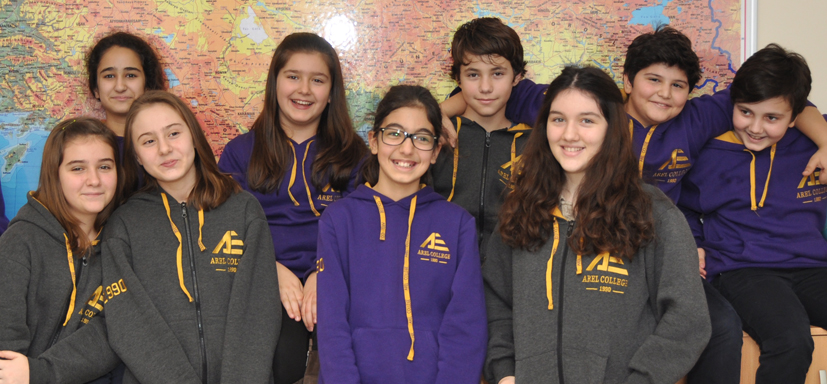
At AREL College, Psychological Counseling and Guidance is a structured and systematic process that helps cultivate students who recognize their own characteristics, are at peace with themselves, build positive relationships, are aware of their problems and difficulties and strive to solve them, direct their lives considering their interests and abilities, take responsibility, and are highly motivated. In line with this, the Psychological Counseling and Guidance Unit, operating with a developmental and preventive guidance approach, conducts activities for students, parents, and teachers with its expert staff, taking into account the needs and age characteristics of the students.
Student Assessment and Development Monitoring
These are systematic studies in which we evaluate our students' academic, emotional, and social development with a holistic approach; supporting their strengths and monitoring areas for improvement. In this process, students are supported in getting to know themselves and discovering their interests and talents.
School Adaptation and Transition Process Studies
Individual and group studies are conducted to support our students who are starting middle school education in adapting to the academic and social environment in a healthy way. Within the scope of these studies, students receive guidance on school rules, classroom dynamics, time management, effective study habits and social relationships. The program aims to help students get to know themselves, gain self-confidence in a safe learning environment and establish healthy relationships with their friends.
Individual Psychological Counseling
At least two structured individual counseling sessions are conducted per semester to support our students' academic, social, and emotional development. These sessions identify students' strengths, areas for improvement, and goals. When needed, individual psychological counseling support is provided to students on topics such as academic planning, exam anxiety, motivation, social relationships, self-awareness, and emotional management. Students receive guidance in a safe environment where they can express themselves and achieve their personal goals during the counseling process.
Classroom Guidance Practices
Planned in accordance with the developmental characteristics and needs of each grade level, Classroom Guidance Practices are in-class guidance activities aimed at increasing our students' self-awareness and improving their goal-setting and decision-making skills. Within the scope of these activities, students gain awareness in areas such as problem-solving, effective communication, time management, life skills. Their learning processes are supported through practical activities. Through group work, discussions, and interactive activities, students' social skills are strengthened and a culture of solidarity and cooperation in the classroom is encouraged.
Test and Inventory Applications
Throughout the academic year, tests and inventories are administered to our students systematically to gain a closer understanding of their academic, social, and emotional development and to identify their individual needs. The results of these tests and inventories are evaluated individually for each student, compiled into detailed reports, and analyzed by the psychological counseling unit. Based on the data obtained, individual interviews are conducted with our students, and their strengths, areas for improvement, and areas requiring support are shared with them. This process enables students to better understand themselves, gain self-awareness, and monitor their development more consciously. Furthermore, supportive guidance is provided to students when necessary, and their developmental processes are closely monitored.
Group Activities
Structured group activities are conducted to improve our students' exam anxiety, academic motivation, effective study habits, time management, and communication skills.
Academic Process and Success Monitoring
Individual and group support activities are conducted to help our students set academic goals, progress towards these goals, and effectively manage their learning processes.
Seminar and Talk Programs
Throughout the year, we organize seminar and talk programs on various topics to support our students' academic, career and personal development. These activities aim to raise awareness among our students, help them discover their interests and talents and improve their goal-setting and decision-making skills. Furthermore, through talks with expert guests, our students have the opportunity to gain different perspectives.
Social Responsibility and Values Studies
Various social responsibility projects are carried out to help our students develop social awareness, empathy, and a sense of responsibility. Within the scope of these projects, our students have the opportunity to learn fundamental values such as cooperation, solidarity, respect, tolerance, and justice through experience. Through these activities, which connect them with real life, our students increase their individual awareness while internalizing the importance of contributing to society. At the same time, skills such as working collaboratively, problem-solving, and active citizenship are supported. The projects carried out throughout the year aim to develop our students into individuals who are sensitive to both themselves and their environment.
High School Preparation Counseling
This is a comprehensive guidance service covering the academic, emotional, and motivational needs of students preparing for the LGS (High School Entrance Exam) process; including goal setting, developing effective study habits, time management, coping with exam anxiety, and the school selection process. During this process, students are supported in developing regular study skills, identifying their strengths and areas for improvement, and managing the exam process in a healthy way. Furthermore, through high school introductions, school selection counseling, and individual meetings. These efforts aim to guide students towards appropriate educational environments that support their academic and personal development.
Safe Living and Psychoeducation Programs
These are structured programs designed to raise awareness on issues such as boundaries, healthy relationships, digital safety, and risky behaviors, in line with the developmental characteristics of adolescence. The goal of these programs is to help students develop self-protection skills, make safe decisions, and recognize and respond appropriately to potential risks. The programs include activities and information sessions on topics such as peer relationships, emotional awareness, privacy, coping with bullying, technology use, and social media awareness. This supports students in leading safe lives, both physically and emotionally, and strengthens their development as healthy individuals.
LETS’UP Activities
The LETS’UP program is a structured peer mentoring model where upperclassmen support juniors in their academic and social adjustment processes. Within this program, mentor students share their experiences on topics such as study habits, time management, the school system, exam processes, and adapting to school life. The program aims to develop strong communication and a sense of belonging among students, while also supporting the leadership, responsibility-taking, and effective communication skills of the mentor students.
Student Newsletters
Student newsletters provide informative guidance to support academic success, career planning, and psychosocial development. These newsletters, shared periodically, cover topics such as effective study methods, exam processes, motivation, time management, goal setting, and emotional well-being.
Individual Parent Meetings
Through planned face-to-face meetings held with our parents at least once a term, the academic, social, and emotional development processes of our students are addressed holistically. In these meetings, the student's strengths, areas for development, and the support they need are shared; and school-family cooperation is strengthened. Parents are guided on their children's developmental characteristics, learning processes, and ways to cope with potential challenges. Individual support plans are created when necessary.
Parent School Seminars
These are development-oriented trainings planned for each grade level and aimed at helping parents support their children. The trainings are planned by identifying the topics where we determine that our students and parents need support. These are informative seminars planned for parents on topics such as adolescence, exam process, motivation, screen addiction, and family communication.
“Reflections in Education” Journal
This is one of the publications of the guidance and psychological counseling unit, prepared twice a year for our parents, containing suggestions to support the academic and psychosocial development of students.
Round Table Meetings
Round Table Meetings are organized at least twice a year to evaluate the academic and exam preparation processes of our 7th and 8th grade students with a holistic approach. Students, parents, subject teachers the Psychological Counseling and Guidance Unit participate in these meetings. In the meetings, the student's academic performance, exam preparation process, study habits, motivation, and overall development are discussed from multiple perspectives. At the end of the process, common goals are determined in line with the student's needs, and concrete action steps are planned. This structured collaboration model aims to strengthen student-school-parent communication and to enable our students to realize their potential in the most efficient way.
In 5th and 6th grade, individual parent meetings are held with the participation of both the school counselor and the classroom teacher. These meetings comprehensively address students' academic, social, and emotional development; and provide parents with detailed information about their developmental processes.
Counseling System – Information for Parents
Within the counseling system, our parents are regularly informed about their children's academic and social development processes. The counselor teacher assigned to each student informs the parent at least once a month via phone or online meeting. In addition, at least two face-to-face meetings are organized during the academic year to share the student's studies, exam results, motivation, and overall development in detail.
Test and Inventory Sharing
The results of tests and inventories administered to our students throughout the academic year are reported individually for each student and regularly shared with our parents through the K12 platform throughout the year.
Parent Information Brochures
These brochures, prepared for mid-term, semester, and summer holiday periods, offer parents suggestions on how to support their children's academic, social, and emotional development. Prepared by the Psychological Counseling and Guidance Unit, these materials aim to guide parents in spending their holiday periods productively and in a balanced way.
Our school's Psychological Counseling and Guidance unit conducts comprehensive activities to ensure teachers' integration into the institution, strengthen collaboration, support student development, and enhance their professional growth.
Orientation and Institutional Adaptation Support
In order to ensure that new teachers adapt to the institution quickly, school policies, vision and mission, and institutional values are introduced in detail. In addition, information is provided about discipline and classroom management rules, and support is provided from experienced teachers through the mentoring system.
Counseling Teacher Training
These are training programs for teachers working in the counseling system, covering topics such as student monitoring, effective communication, and academic guidance. The Psychological Counseling and Guidance unit guides teachers helping them monitor students' academic and social development. It also manages reporting and feedback processes and provides guidance to teachers in individual or group counseling sessions.
Academic and Pedagogical Support
The Psychological Counseling and Guidance unit provides training to teachers on effective teaching strategies and shares classroom observation and evaluation methods. It supports teachers in improving their motivation and time management skills, while also providing guidance in student-centered learning and project work.
Communication and Collaboration Development
The Psychological Counseling and Guidance unit supports regular meetings and coordination among teachers, provides guidance in parent communication and solution-oriented collaboration. It also contributes to the creation of common strategies regarding discipline and the social and emotional development of students.
Professional Development and Training Programs
The Psychological Counseling and Guidance unit supports the professional development of teachers through seminars, workshops, and online training. It provides guidance on challenging situations and crisis management, offers consultancy in academic and social programs, and provides information about new educational technologies and teaching tools.

 Parent Portal
  Employment